

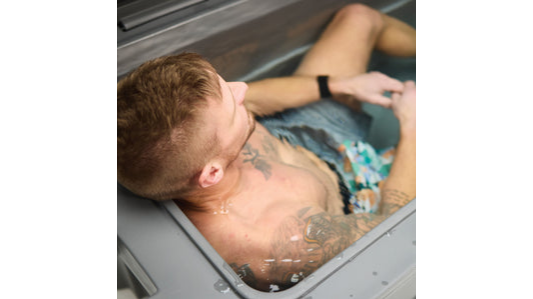
Key Takeaways
- Shade, insulation, and a well-fitted cover all work together to limit how much heat reaches plunge water in hot climates
- A chiller needs clear airflow and manufacturer-recommended clearance to reject heat efficiently, so cramped or enclosed spots make it work harder
- Checking actual water temperature with a thermometer matters more than trusting the chiller’s set point, especially during heat waves
- Desert Plunge is built to hold a steady 39°F even in hot climates, which ties directly into the placement and maintenance habits covered below
- Early morning and evening sessions can make plunging more comfortable, but the tub still needs the same covering and upkeep the rest of the day
Living in a hot climate does not rule out cold plunging, but the setup has to work harder against the surrounding environment. High air temperatures, direct sunlight, and sun-warmed surfaces can all add heat into the water, pushing a chiller to run longer just to hold a target temperature. Desert Plunge explains that most of this heat gain can be managed through smart placement, a few protective habits, and regular checks rather than an elaborate system.
Why Hot Climates Heat Plunge Water
A cold plunge sitting in a hot backyard or an unventilated garage faces more than one source of heat. Direct sun striking the shell or cover warms the water from above, while nearby surfaces like concrete patios or sun-baked pavers radiate stored heat into the surrounding air and, eventually, into the tub itself. Airflow plays a role too, since still, trapped air around the equipment holds onto heat instead of letting it disperse.
A chiller pulls heat out of the water and releases it into the surrounding air. When that surrounding air is already hot, or when the unit cannot breathe properly, the system has less of a temperature gap to work with. Understanding why heat builds up in the first place makes it much easier to keep temperature steady.
Block Heat Before It Reaches The Water
The simplest way to keep plunge water cold is to stop heat from getting anywhere near it. That starts with controlling sun exposure and extends to insulating every part of the system that touches the water.
Shade The Tub And Avoid Hot Surfaces
Direct sunlight is one of the easiest heat sources to address, and also one of the most overlooked. Positioning a plunge under a roof, pergola, or shade structure can meaningfully cut down on how much heat the tub absorbs over the course of a day, especially during peak afternoon hours.
Location matters beyond the tub itself. A few things worth considering:
- Sun-heated concrete or pavers near the tub can radiate warmth into the air around it, even after direct sun has moved on.
- A naturally shaded garden spot tends to stay cooler than an open patio slab.
- Good airflow around the area helps heat disperse instead of settling near the water and equipment.
Insulate The Shell, Cover, And Plumbing
Insulation slows the transfer of heat from a warmer environment into colder water. In a hot climate, where outside temperatures can stay elevated for long stretches of the day, that slower transfer takes real pressure off the chiller. Insulating the tub shell, the plumbing lines that carry water to and from the chiller, and the cover itself all contribute to the same goal: keeping the cold water cold for longer without extra equipment cycles. Anyone planning a permanent setup benefits from treating insulation as part of the original installation rather than something to add later, since built-in insulation tends to perform more consistently than an afterthought fix.
Give The Chiller Room To Work
A chiller can only cool water to the extent that its surroundings allow. Cramped, enclosed spaces trap the warm air the unit is trying to expel, forcing it to run longer to hit the same target temperature.
Clear Vents And Manufacturer Clearances
Every chiller has manufacturer-specified clearance requirements, and following them matters most in hot weather. Boxing a unit into a tight enclosure, or letting its hot exhaust recirculate right back into the intake, undermines the entire cooling cycle. Keeping vents free of dust, leaves, and other debris matters just as much, since blocked airflow forces the system to strain even when placement is otherwise sound. A roof overhead to shed rain is fine, but sealing the sides defeats the purpose.
Raise The Unit And Manage Drainage
Placement on the ground deserves some thought too. Raising the chiller on a slab or small plinth keeps it above standing water and protects electrical connections from puddles that can form after cleaning or rain. Keeping the unit close to the tub on a level pad, with clear airflow on all sides, also limits how much plumbing run is needed, since longer hose lengths can pick up extra heat in summer before the water ever reaches the chiller.
Cover, Clean, And Check The Water
Even with good placement, daily habits make the biggest difference in a hot climate. Covering the tub, keeping up with water care, and confirming the actual temperature all work together to keep the plunge ready to use.
Fit A Cover Between Sessions
A cover should go on every time the plunge sits unused. It limits direct sun exposure, which slows daytime warming, and it keeps leaves, dust, and insects from collecting in the water. In a hot, dry climate where conditions can shift quickly through the day, a well-fitted cover is one of the simplest ways to protect the hours of work the chiller has already put in.
Keep A Cleaning And Sanitation Routine
Hot weather and frequent use tend to increase the demands on water care. Sticking to a consistent cleaning and sanitation routine, and paying attention to any changes in water clarity or smell, helps catch problems early. A clean system also tends to run more reliably, since buildup and debris can interfere with pumps and filters over time.
Measure Temperature Instead Of Guessing
A chiller that is running does not guarantee the water has actually reached or held the chosen setting. Checking the real temperature with a waterproof digital thermometer, rather than assuming the display or set point reflects reality, is especially important during periods of extreme heat. If the system seems to be running constantly or taking longer than usual to reach a target, that is a signal to check the surrounding conditions and airflow around the equipment rather than waiting it out.
Choose Cooler Hours For Plunging
Timing offers an easy way to make the experience more comfortable without changing any equipment. Early morning or evening sessions tend to feel better than plunging during peak afternoon heat, when ambient temperatures are working hardest against the system. The tub still needs its usual shade, cover, and ventilation regardless of when it gets used, but choosing cooler hours can make stepping into cold water a more pleasant part of the day.
Simple Habits Keep Water Consistently Cold
Managing a plunge in a hot climate does not require fighting the weather with a complicated setup. Shade cuts down on direct heat gain, insulation slows the transfer of warmth into the water, and a cover protects the tub between sessions. Clear airflow around the chiller lets it do its job, while a steady cleaning routine and regular temperature checks catch small issues before they become bigger ones. Layered together, these habits form a dependable system against the climate.
For anyone setting up or troubleshooting a plunge at home, Desert Plunge recommends starting with these fundamentals, which make it far easier to keep water at a steady, reliable cold plunge temperature even through the hottest months of the year.
Desert Plunge
info@desertplunge.com
+1 480 271 9966
1826 West Broadway Road
#7
Mesa
Arizona
85202
United States