Key Takeaways
- Piano team size requirements vary dramatically by type: digital pianos need 1-2 people, while grand pianos require 4-6 experienced movers with specialized equipment.
- Stairs, obstacles, and move distance significantly increase the number of helpers needed beyond base recommendations for each piano type.
- Proper equipment like piano dollies, moving blankets, and lifting straps can reduce team size requirements while improving safety.
- Proper planning, communication, and safety protocols are critical for preventing injury and damage during DIY piano moves.
- Professional moving services are particularly cost-effective when dealing with valuable instruments, complex routes, or lack of adequate team size.
There’s no doubt about it: moving a piano is one of the most challenging DIY projects homeowners face. Unlike standard furniture, pianos combine extreme weight with delicate internal mechanisms that can suffer permanent damage from improper handling. Understanding exactly how many people each piano type requires creates the foundation for a successful move, whether across the room or across town.
Team Size Requirements by Piano Type
The number of movers needed depends primarily on the piano’s weight, dimensions, and structural design. Each piano category presents unique challenges that directly impact team size requirements.
Digital Pianos: 1-2 People
Digital pianos offer the most manageable moving experience, weighing between 20 and 200 pounds. Most models feature modular construction, allowing separation of the keyboard unit from its stand. Two people can easily handle intact digital pianos, while single-person moves become possible when disassembled. The lightweight construction and compact design make digital pianos ideal for renters and frequent movers who need flexibility.
Spinet Pianos: 2 Strong People
Spinet pianos, standing 36 to 38 inches tall and weighing 200 to 300 pounds, represent the smallest acoustic piano category. Two physically strong individuals can manage spinet moves on level surfaces without assistance. The compact height and relatively narrow profile make spinets easier to maneuver through standard doorways compared to larger uprights. However, their solid wood construction requires careful handling to prevent finish damage.
Console Pianos: 2-3 People Depending on Route
Console pianos measure 40 to 43 inches in height and weigh 300 to 450 pounds. While two people suffice for flat-surface moves, the additional height creates balance challenges that benefit from a third helper. Console pianos’ taller profile increases the risk of tipping during navigation around corners or through narrow passages. Piano moving specialists recommend adding extra help when stairs or tight spaces complicate the route.
Studio Pianos: Minimum 3 People
Studio pianos, standing 45 to 48 inches tall and weighing 400 to 500 pounds, require at least three movers from the start. The increased height and weight create significant balance challenges that two people alone can’t safely manage. Studio pianos offer superior tone quality compared to smaller uprights, making them popular choices for serious musicians who need reliable moving teams to protect their investment.
Classic Upright Pianos: At Least 4 People (More for Stairs)
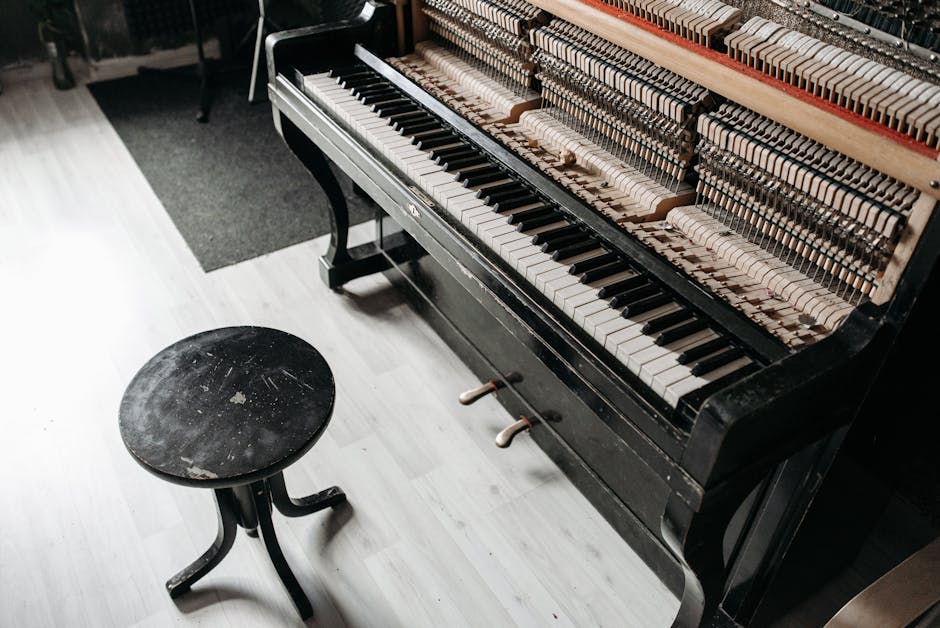
Full-size upright pianos, often exceeding 500 pounds and standing over 4 feet tall, demand teams of at least four people minimum. These instruments combine substantial weight with challenging dimensions that require coordinated lifting and careful navigation. Stairway moves increase requirements to five to six people, with additional helpers positioned to guide and spot potential problems. The vintage construction of many classic uprights adds historical value that makes damage prevention critical.
Baby Grand Pianos: 3-4 Movers Plus Disassembly
Baby grand pianos, measuring up to 5 feet 7 inches and weighing 500 to 600 pounds, require three to four experienced movers plus partial disassembly. The horizontal design necessitates removing legs and pedal assemblies before transport. Teams must coordinate lifting the main body while managing awkward weight distribution. Baby grands often represent significant financial investments that justify professional handling for many owners.
Grand & Concert Grand Pianos: 4-6 Experienced Movers
The largest of all. Full-size grand and concert grand pianos demand teams of four to six experienced movers with specialized equipment. These instruments weigh 700 to 1,200+ pounds and require complete disassembly, including leg removal, lid securing, and body positioning on piano boards. The extreme weight and value of concert grands make professional moving services almost mandatory for most owners.
Key Factors That Impact Your Team Size
Beyond piano type, several environmental and logistical factors significantly influence team size requirements for safe moves.
Stairs and Obstacles Add Extra Helpers
Stairs represent the single greatest factor increasing team size requirements. Each flight adds at least one additional mover to maintain safety and control. Narrow stairways, tight corners, and low ceilings compound difficulty levels. Outdoor steps, especially without railings, create additional hazards requiring extra spotters and guides.
Move Distance and Duration Increase Requirements
Longer carrying distances fatigue teams more quickly, increasing drop risks and requiring additional relief helpers. Loading pianos into moving trucks demands more coordination than simple room-to-room moves. Cross-town relocations benefit from larger teams to handle multiple loading and unloading cycles without exhaustion.
Equipment Availability Reduces Team Needs
Professional-grade piano dollies can reduce team requirements by one to two people for many piano types. Quality lifting straps distribute weight more effectively, allowing smaller teams to handle heavier instruments safely. Ramps, protective padding, and securing hardware enable more efficient moves with fewer hands involved.
Team Experience Level Affects Efficiency
Experienced piano movers work significantly more efficiently and safely than untrained helpers. Skilled movers understand proper lifting points and potential weak spots that prevent damage. Communication and coordination improve dramatically with experience levels, allowing experienced teams to handle complex moves that would overwhelm inexperienced groups.
Required Equipment for Safe DIY Piano Moving
Proper equipment transforms challenging piano moves into manageable projects while reducing team size requirements and injury risks.
Piano Dollies and Transport Equipment
Heavy-duty four-wheel piano dollies designed for upright pianos support 800+ pounds while enabling smooth rolling across level surfaces. Grand piano dollies, including specialized leg dollies, facilitate safe horizontal transport after disassembly. Piano boards (skid boards) provide padded platforms for moving grand piano bodies on their sides. Ramps or reinforced plywood planks enable safe loading into trucks without excessive lifting.
Protection and Securing Materials
Thick moving blankets protect finishes from scratches and dents during handling and transport. Heavy-duty ratchet straps secure pianos to dollies and prevent movement inside trucks. Packing tape and plastic wrap hold protective materials in place without damaging piano surfaces. Corner guards and edge protectors prevent damage to vulnerable areas during navigation through tight spaces.
Personal Safety Gear
Heavy-duty work gloves improve grip while protecting hands from pinches and scrapes. Lifting straps (shoulder straps or forearm forklifts) distribute weight across the body, reducing back strain and improving control. Steel-toed boots protect feet from dropped corners or shifting weight. Back support belts provide additional protection during extended lifting sessions.
Step-by-Step DIY Moving Strategy
Successful piano moves require methodical planning and execution to prevent damage and injury.
1. Measure and Plan Your Route
Measure the piano’s dimensions including height, width, and depth, then compare against every doorway, hallway, and staircase along the planned route. Identify potential bottlenecks or obstacles that require special navigation techniques. Document ceiling heights, floor surfaces, and turning radii to anticipate challenges. Create backup routes in case primary paths prove impassable.
2. Prepare and Protect the Piano
Close and secure the keyboard lid using tape or straps to prevent opening during transport. Remove or secure any loose parts like music stands, bench cushions, or decorative items. Wrap the entire piano in moving blankets, paying special attention to corners and edges. For grand pianos, lower the top lid completely and tape it securely before disassembling legs and pedals.
3. Position Your Team and Execute the Move
Assign specific roles to each team member, designating spotters, lifters, and guides. Position stronger movers at heavier ends while ensuring someone guides navigation through obstacles. Communicate clearly using simple commands like “lift,” “stop,” and “lower.” Lift in unison on counted signals, maintaining constant communication throughout the move. Take regular breaks to prevent fatigue-related accidents.
Critical Safety Guidelines for Piano Movers
Piano moving carries inherent risks that require strict safety protocols to prevent injury and property damage.
Planning and Communication Requirements
Establish clear communication protocols using simple, unambiguous commands that all team members understand. Designate one person as the primary coordinator to make decisions and direct movements. Plan rest stops every 15-20 minutes during extended moves to prevent fatigue. Ensure all team members understand their specific roles and responsibilities before beginning.
Path Preparation and Clearance Checks
Remove all obstacles, furniture, and loose rugs from the planned route. Protect floors with plywood sheets or heavy cardboard to prevent damage and improve traction. Add padding to door frames, corners, and protruding fixtures to prevent piano damage. Ensure adequate lighting throughout the route, especially in stairwells and narrow passages.
Proper Lifting Techniques and Body Mechanics
Always lift with legs rather than back muscles, keeping the spine straight and piano close to the body. Avoid twisting motions while carrying weight; instead, move feet to change direction. Wear closed-toe shoes with good traction to prevent slipping. Maintain firm grips and watch for signs of fatigue that increase accident risks. Stop immediately if anyone feels unsafe or unsure about the next move.
When DIY Isn’t Worth the Risk, Hire Professionals
While DIY piano moving works for smaller instruments and simple routes, many situations exceed safe DIY capabilities. Professional piano moving services become necessary when dealing with valuable antique instruments, complex multi-story moves, or insufficient team availability. Licensed moving companies carry specialized insurance coverage that protects against damage claims exceeding typical homeowner policies.
Professional movers bring specialized equipment including custom dollies, piano boards, and hydraulic lifts that enable safe handling of the heaviest instruments. Experienced crews understand piano construction and proper disassembly techniques that prevent internal damage to strings, hammers, and action mechanisms. The cost of professional services often proves reasonable compared to potential repair expenses from DIY mistakes.
Stairs, tight spaces, and long-distance moves significantly increase complexity levels beyond most DIY capabilities. Professional piano movers complete in hours what amateur teams might struggle with all day, reducing overall disruption and stress. Insurance coverage and professional liability protection provide peace of mind that DIY moves can’t match – so you know what to do if you want a smooth piano move.
Got2Move
801 Avenue H
Unit 789
San Francisco
California
94130
United States


