
Key Takeaways
- A new wave of AI food apps can score a menu, a plate, or a fridge shelf against a specific fitness goal in real time using just a camera
- Image recognition combined with nutrition databases lets these tools estimate calories, protein, and other nutrients from a single photo
- One app, Dialed In, converts that analysis into a single Dial Score so eaters get one clear number instead of a spreadsheet of data
- The same scoring approach adapts to different goals, including getting lean, building muscle, recomping, or simply maintaining
- Accuracy is the make-or-break factor for these apps, and research shows current AI food recognition getting close to laboratory-level precision
A Camera Scan Now Scores Any Dish
Standing in front of a restaurant menu used to mean guessing. A diner would scan a list of unfamiliar dish names, try to remember which sauces usually mean trouble, and hope the “healthy-sounding” option actually fit their goal. That guessing game is fading fast thanks to a new generation of AI-powered food apps that can look at a menu, a plated meal, or even the inside of a fridge and instantly rate every option against a person’s fitness target.
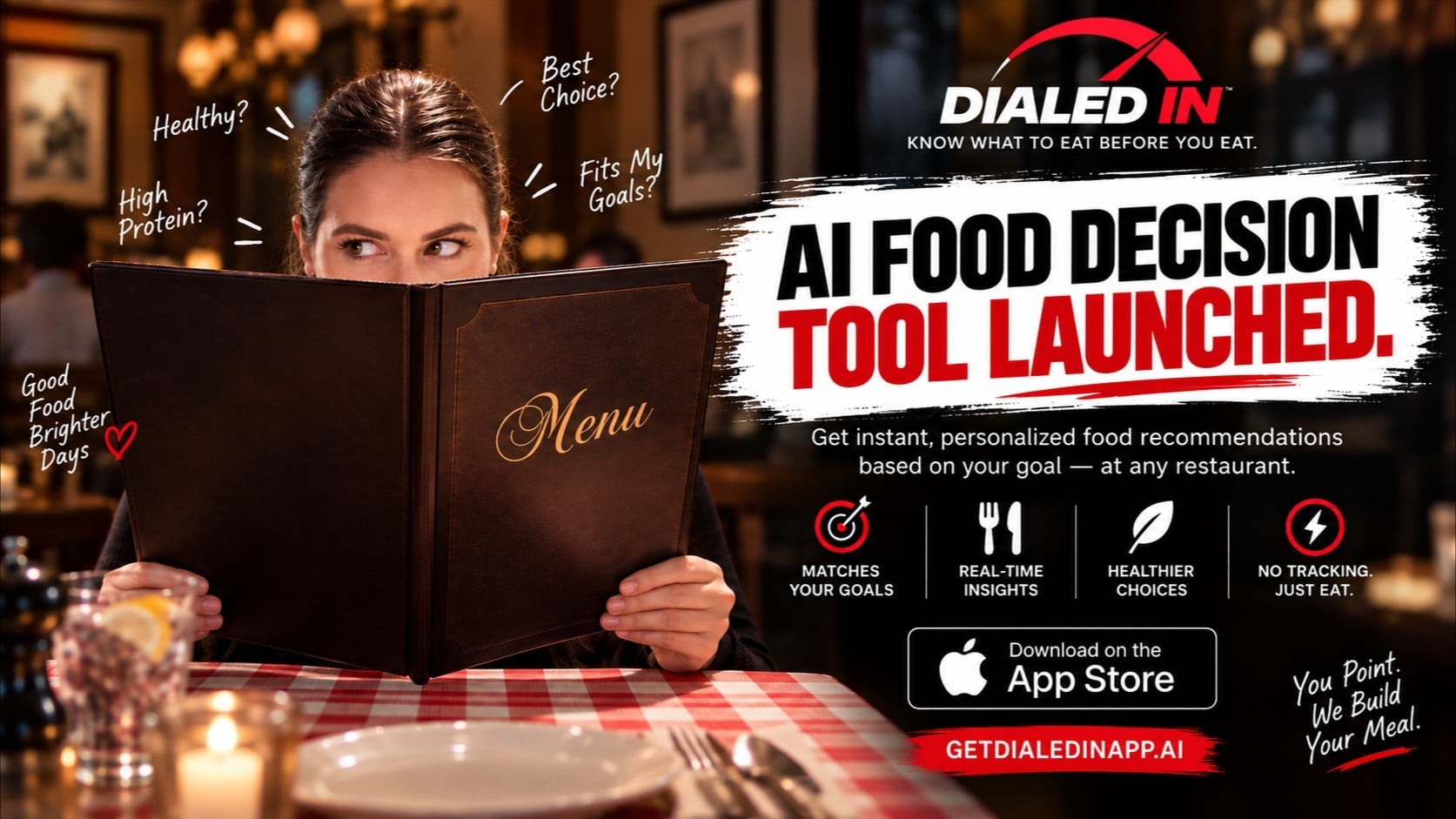
The idea sounds almost too simple: point a phone camera at food, and get a score back in seconds. Behind that simplicity sits a mix of computer vision, nutrition science, and personalization logic working together in real time. Dialed In uses a single “Dial Score” to translate complicated nutrition data into one clear number tied to a person’s goal, whether that goal is getting lean, building muscle, recomping, or maintaining.
This shift matters because most food decisions happen fast, often in under a minute, standing at a counter or scanning a menu before a server arrives. A tool that can deliver a personalized score in that same window changes the entire decision-making process, replacing guesswork with something closer to a quick gut-check backed by data.
How the Scoring Engine Works
Real-time menu scoring works as the product of two technologies operating in sequence, each doing a specific job before handing off to the next step. Understanding how the pieces fit together helps explain why these tools can be trusted for everyday decisions, and where their limits still lie.
Image Recognition Meets Nutrition Databases
The first step is visual. AI models trained on food imagery can identify what is on a plate, in a photo, or listed on a printed menu, then match those items against large nutrition databases. Research published in Frontiers in Nutrition in 2025 and 2026 shows AI models achieving over 90% accuracy in food classification, with some studies narrowing macronutrient estimation errors considerably. That level of precision is what allows an app to move beyond vague guesses like “the salad is probably fine” and instead generate a specific estimate of calories, protein, carbohydrates, and fat for a dish.
Nutrition databases add the second layer. Once an item is identified, whether it is a dinner-menu fish dish or a bag of baby spinach spotted in a fridge photo, the system cross-references known nutritional values for similar dishes and ingredients. This pairing of visual recognition and structured data is what separates a modern food-scoring app from a simple calorie-counting log that requires manual entry.
From Photo to Personalized Score in Seconds
Recognition and data lookup are only useful if they happen fast enough to matter in the moment. The best tools compress this process into a matter of seconds, turning a photo into a ranked list of options before a diner has finished reading the menu twice.
- A camera is pointed at a menu, a plate, or a fridge shelf.
- The app identifies each item and pulls matching nutrition data.
- Every item gets scored against the user’s chosen goal.
- The top match surfaces first, with reasoning attached.
One live example shows a Miso-Glazed Black Cod earning a 91 Dial Score against a “Lean” goal, with the reasoning noting the dish offers lean protein and the lowest calorie load among the mains on offer. That kind of instant, goal-specific reasoning turns a photo into a decision rather than a data dump.
One Score, Tuned to Your Goal
A single nutrition number means little without context. Two people can look at the exact same plate of pasta and need completely different verdicts, because their goals point in different directions. This is where scoring engines earn their keep, adjusting the same underlying data to fit four distinct outcomes.
Get Lean: Deficit Without Deprivation
Cutting body fat means consistently choosing meals that create a calorie deficit while still delivering enough protein, fiber, and nutrients to keep hunger and energy in check, without starvation or eliminating entire food groups. Apps built for this goal weigh calorie density heavily, favoring lean proteins and fiber-rich sides over fried or sauce-heavy options, while keeping variety and flavor on the plate.
Build Muscle: Protein, Carbs, and Recovery
Packing on muscle takes more than simply eating in a surplus. The body needs adequate protein, quality carbohydrates, healthy fats, and enough total calories to support both growth and recovery between workouts. A scoring system tuned for this goal shifts its weighting toward protein content and total calories, surfacing meals that support training volume rather than just filling a stomach.
Recomp: Balancing Fat Loss and Strength
Body recomposition asks for the hardest balance of all: shedding fat while holding onto or even building lean muscle at the same time. That combination calls for a modest calorie deficit paired with high-protein choices at nearly every meal, alongside consistent training. Scoring tools designed for recomp steer choices toward protein-first meals with a macro balance that supports both sides of that equation, since leaning too far toward either fat loss or muscle gain undermines the other.
Maintain: Consistency Over Perfection
Maintenance is often the most overlooked goal, yet it carries its own logic. The aim here is providing the body with enough quality nutrition to match daily activity, avoiding a pattern of overeating or undereating. A scoring engine built for maintenance rewards steady, balanced choices over extreme ones, which matters most for people managing dining out, home cooking, and everything else without a strict plan to follow.
Four Real-World Moments It Solves
Nutrition tools tend to fail when they only work in one setting, like a home kitchen with a scale and measuring cups nearby. Real life happens across restaurants, chain drive-thrus, grocery aisles, and half-stocked fridges, and a useful scoring app needs to follow a person into each of those moments.
Dining Out on Any Menu
Sit-down restaurants present some of the toughest nutrition puzzles, since menus rarely list calories or macros next to dish names. Pointing a camera at a printed menu, a chalkboard, or even a drive-thru board lets an app scan every option at once and rank them against a goal, so the best pick surfaces before a server even arrives to take an order.
Ordering Smart at Chains
Chain restaurants offer a shortcut, since their menus are standardized and often already documented in nutrition databases. Apps that pre-score chain and partner restaurant items can skip the photo-scanning step entirely, instead surfacing a top pick the moment a diner searches for a specific chain, filtered by goal, dietary restrictions, and allergies.
Planning a Week of Groceries
Grocery shopping benefits from a wider lens than a single meal. A goal-based weekly plan can generate a shopping list organized by aisle, complete with daily meals, recipes, and a full calorie and macro breakdown, all built around a chosen budget and number of days. This turns a vague intention to eat better this week into a concrete, walkable shopping trip.
Building a Plate From the Fridge
The hardest moment to plan for is often the most common one: standing in front of an open fridge with no clear idea what to make. Snapping a photo of the shelves lets an app suggest the best available meal using only what is already on hand, whether that is breakfast, lunch, dinner, or a snack, without needing a last-minute grocery run.
Why Accuracy Matters More Than Ever
None of these features matter if the underlying scores cannot be trusted. Review aggregations of AI nutrition apps consistently point to accurate food recognition and calorie tracking as the deciding factor for user trust, noting that errors quickly erode confidence in the entire tool. A single mislabeled dish or a wildly off calorie estimate can undo months of a person relying on an app for daily decisions.
This is precisely why the pairing of image recognition with nutrition databases carries so much weight. As AI models continue closing the gap with laboratory-measured nutrient values, the practical usefulness of camera-based scoring keeps climbing, moving these tools from novelty status toward genuine daily utility for anyone tracking a fitness goal.
Smarter Food Choices Need No Diet Plan
The bigger shift happening here goes beyond any single app or feature. Real-time scoring moves people away from rigid diet plans and manual tracking, toward tools that meet them exactly where food decisions actually get made, whether that is a restaurant table, a chain drive-thru, a grocery aisle, or an open fridge door.
For anyone ready to put this kind of tool to the test, a good first step is comparing goal-based food scoring apps before the next trip to the grocery store or the next night out.
DialedIn
info@getdialedinapp.ai
+1 631 926 5549
Sag Harbor
Sag Harbor
NY
11963
United States


